Biomechanics
8 Min Read
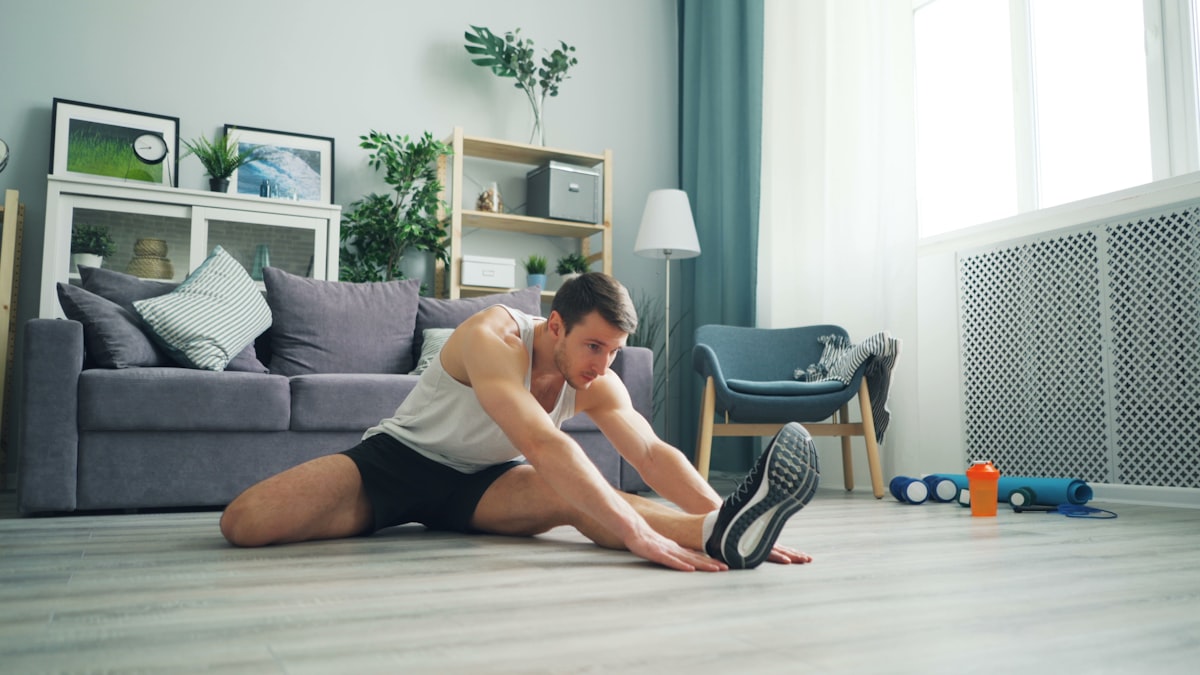
Collagen Viscoelasticity & Sustained Stretch Duration
An examination of how tendon stress-relaxation responds to 30-second versus 90-second static holds, evaluating true plastic deformation versus transient neurological tolerance.
Key Finding: 30-60 second holds elicit maximal compliance gains without destabilizing periarticular ligaments.
Spine Health
11 Min Read
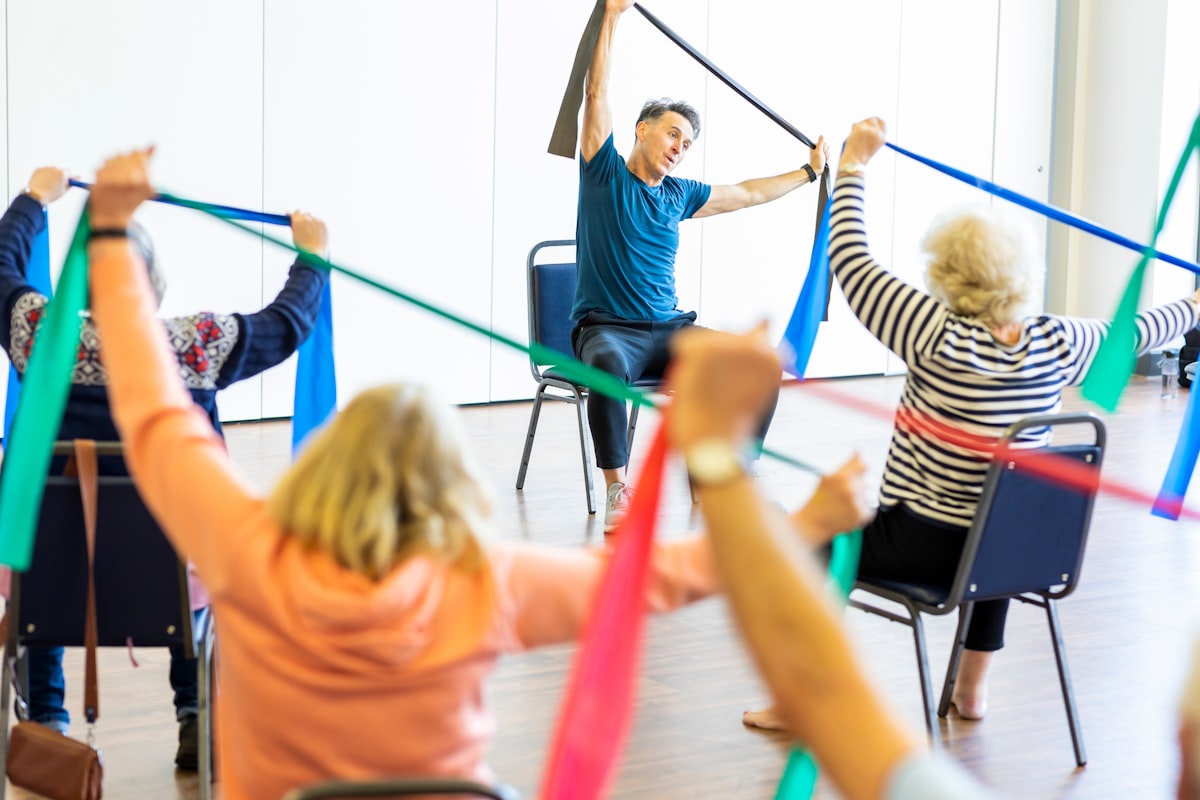
Thoracic Hypomobility as a Driver of Lumbar Pathology
When thoracic facet joints lose rotational and extensor freedom due to desk posture, compensatory hypermobility occurs at L4-L5 and L5-S1. Restoring thoracic mobility protects the lower back.
Key Finding: Restoring 10° thoracic rotation decreases lumbar rotational stress by 28%.
Gerontology
9 Min Read
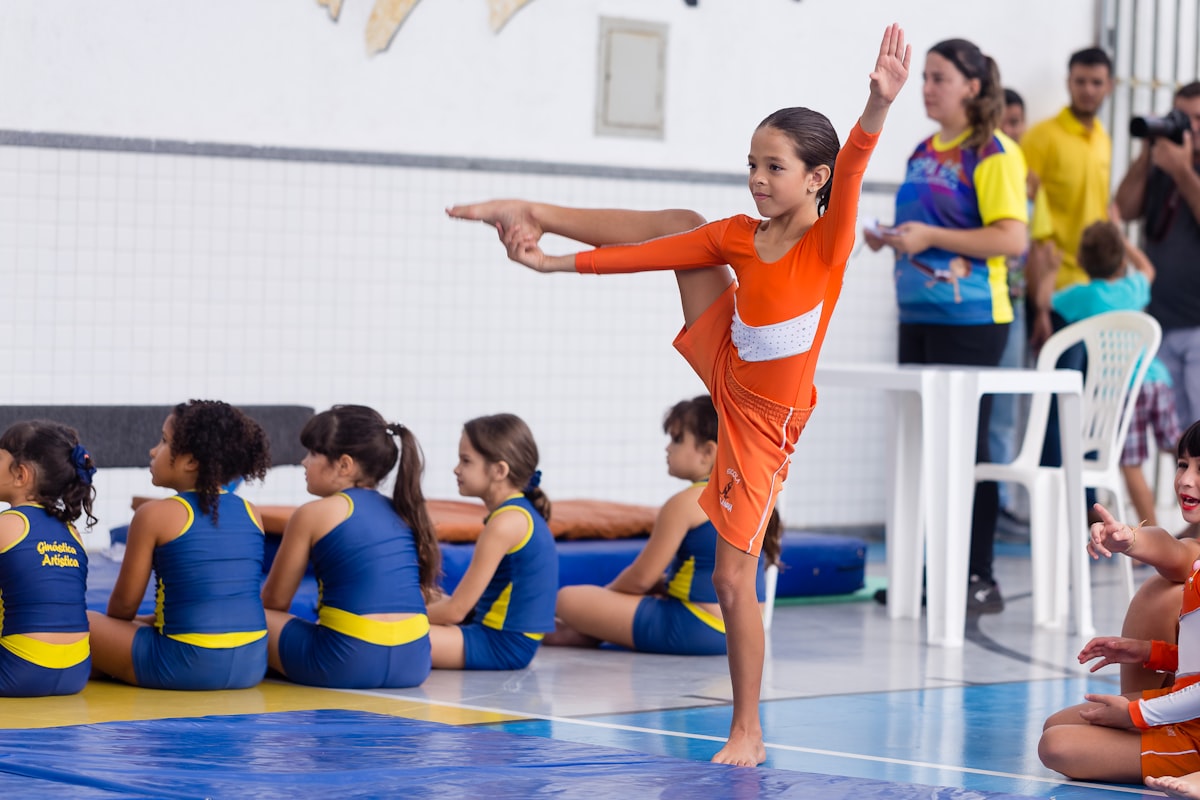
Synovial Fluid Dynamics and Joint Longevity in Older Adults
Hyaline cartilage lacks direct blood vessels; nutrition occurs through the cyclical imbibition of synovial fluid during gentle movement. We review low-impact articular protocols for adults 65+.
Key Finding: Daily unloaded circular joint glides reduce morning stiffness by 40%.
Kinesiology
7 Min Read
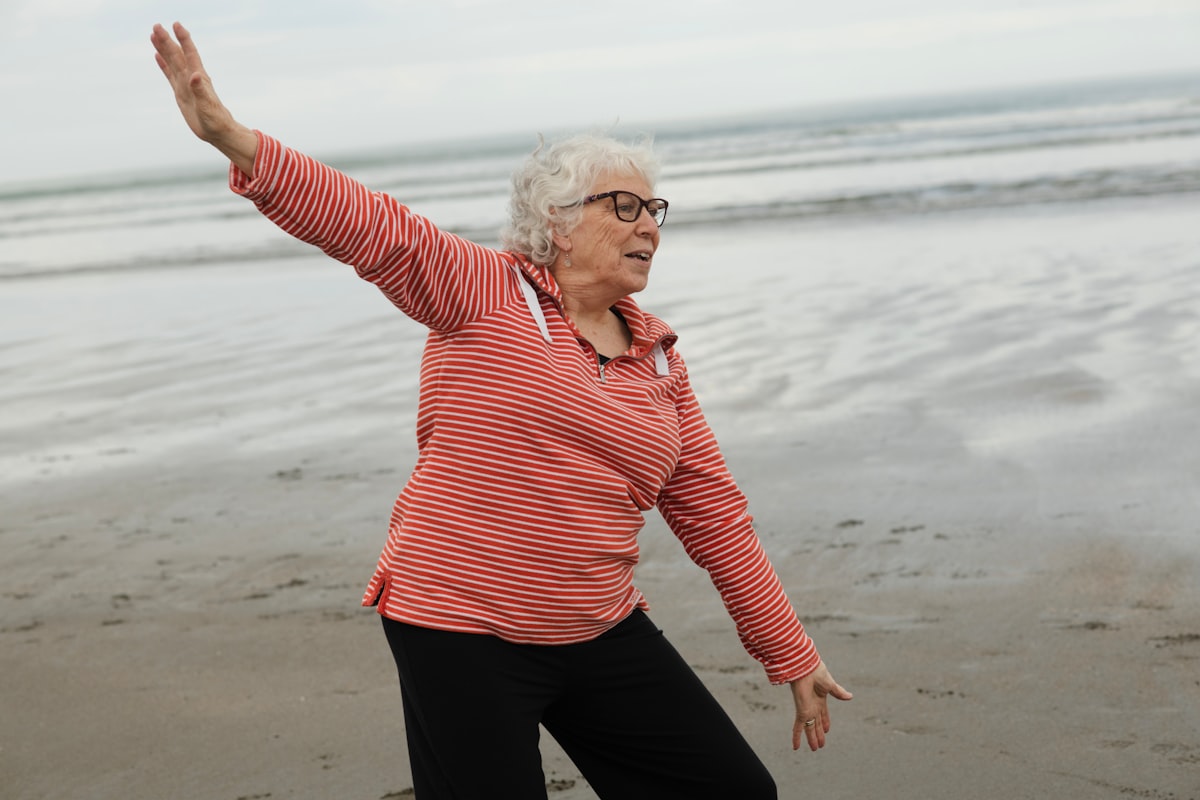
Reciprocal Inhibition: Using Antagonist Activation
Neurophysiological principles reveal that contracting the gluteal musculature sends reflex inhibitory signals through the spinal cord to relax the opposing iliopsoas, unlocking deeper safe stretch depth.
Protocol: 10-second active glute squeeze prior to half-kneeling hip flexor hold.
Ergonomics
6 Min Read
Suboccipital Tension & Forward Head Syndrome
A clinical breakdown of how screen viewing tilts the occiput backward, shortening the rectus capitis posterior and causing cervicogenic discomfort. Step-by-step axial elongation protocols.
Protocol: Double chin tuck with occipital upward traction, 12 repetitions twice daily.
Lower Chain
10 Min Read
Talocrural Joint Mechanics & Plantar Fascial Health
Chronic restriction of the gastrocnemius-soleus complex alters plantar loading vectors during toe-off. We explore banded ankle mobilizations and eccentric gastroc lengthening.
Protocol: Slant-board calf stretch with knee flexed at 20° to isolate deep soleus.