Scientific Flexibility & Joint Mobility for Long-Term Vitality
Vitaminvitalitypath is an independent educational portal published by CA FINANCES. We translate peer-reviewed biomechanical science into practical stretching protocols, postural restoration frameworks, and age-graded mobility routines.
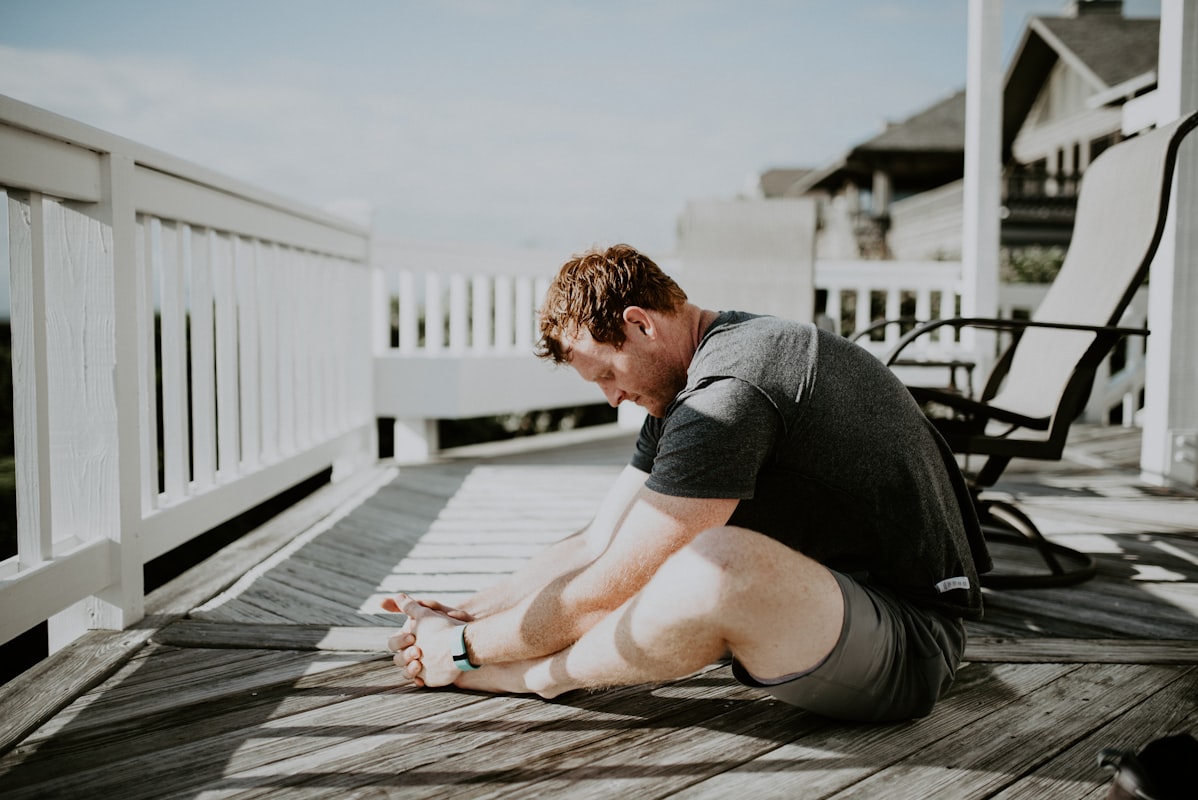
Biomechanical Range of Motion Index
Explore how controlled articular rotations (CARs) enhance joint capsule lubrication and protect connective tissue integrity across all stages of adulthood.
Personalized Mobility Protocol Generator
Select your demographic profile, primary musculoskeletal focus, and daily available time to generate a structured, evidence-aligned mobility sequence.
Interactive Joint & Fascial Range Explorer
Explore targeted biomechanical interventions by anatomical region. Switch tabs below to examine physiological targets, stretch mechanics, and research summaries.
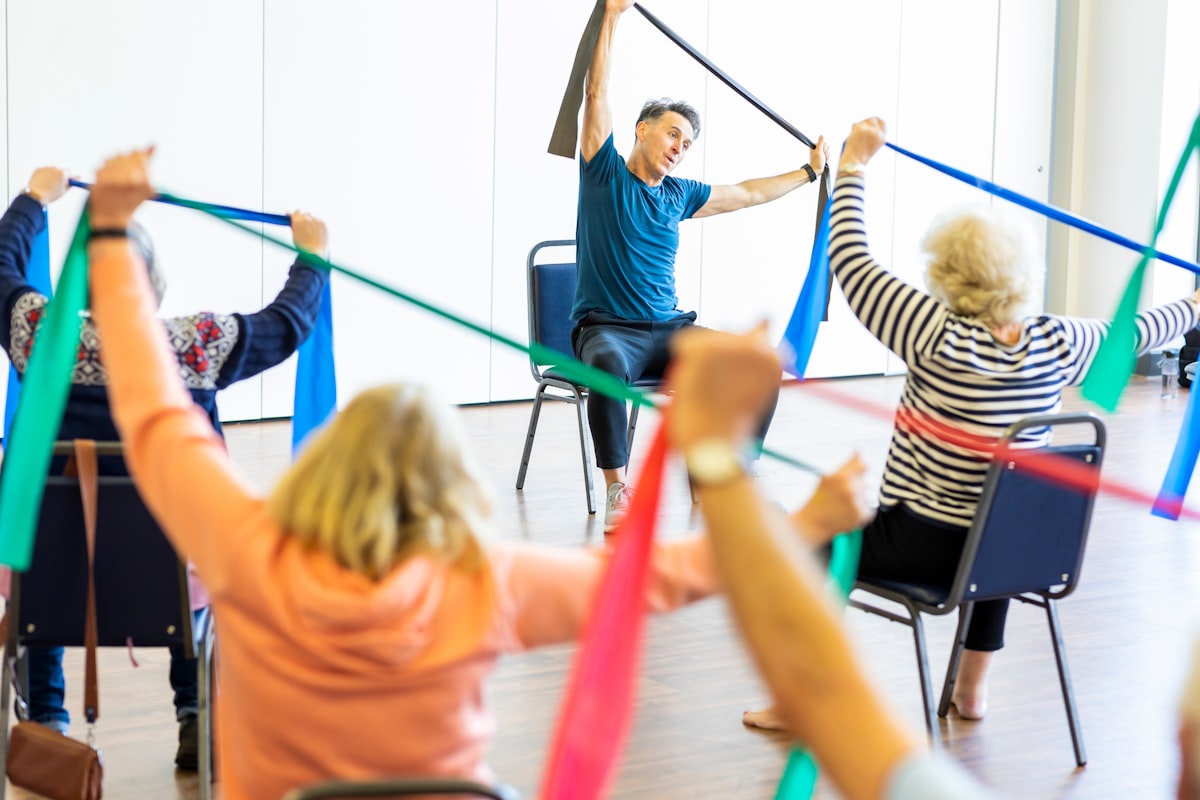
Thoracic Spine Rotation & Extension
The thoracic spine requires rotational mobility to shield the lumbar vertebrae from compensatory rotational torque. Incorporating gentle open-book rotations and thoracic foam extensions restores sagittal and transverse plane balance.
Clinical Target: 35° clean thoracic rotation without pelvic shifting.
Lumbar Stabilization & Micro-Traction
Rather than aggressive lumbar twisting, evidence indicates that low-load traction maneuvers (e.g., supported modified Child's Pose and prone decompression) provide optimal pressure relief for intervertebral discs.
- Maintains optimal disc hydration and nutrient absorption.
- Reduces compressive load on L4-S1 nerve roots.
- Ideal for individuals experiencing sitting-related lumbar fatigue.
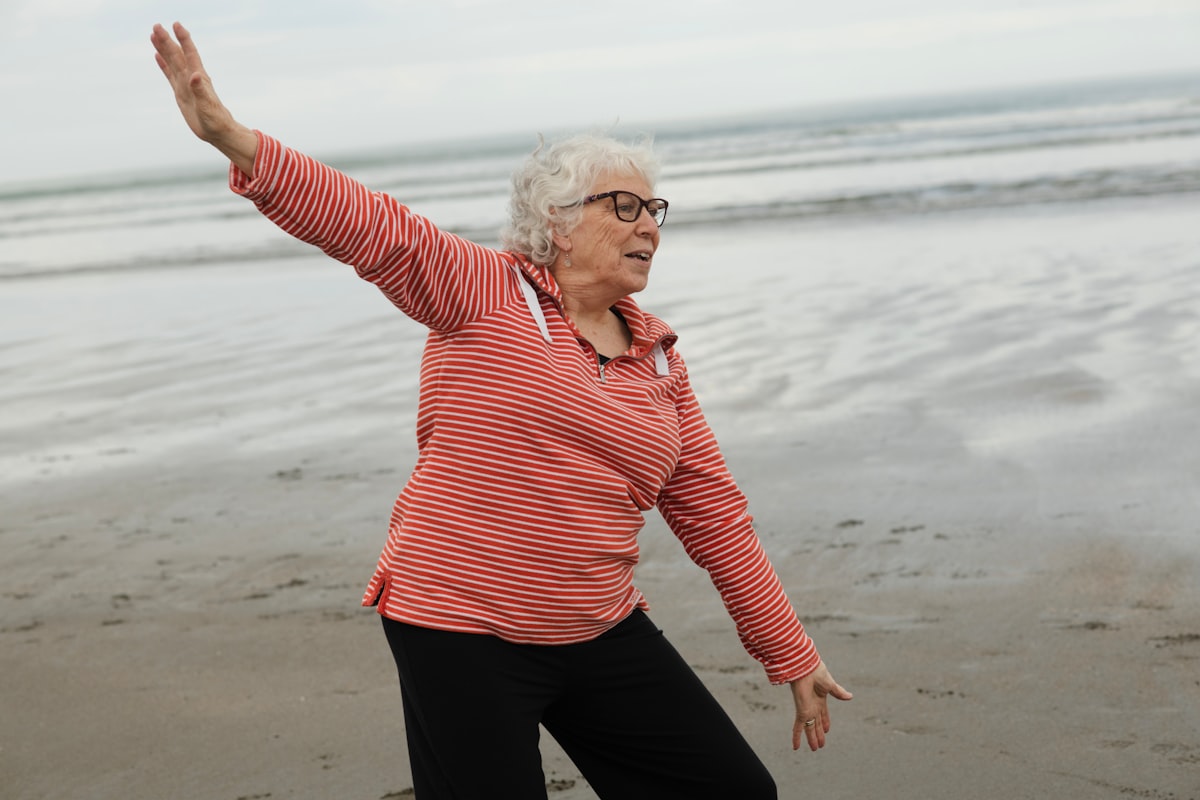
Psoas & Iliacus Lengthening
Chronic seated posture places the iliopsoas complex in continuous adaptive shortening, causing anterior pelvic tilt and secondary lumbar hyperextension. Half-kneeling stretches with gluteal activation neutralize this tilt.
90/90 Femoral Articulation
The 90/90 seating protocol addresses both internal and external hip rotation simultaneously. Restoring femoral rotational freedom directly alleviates knee tracking deviations and lower back compensations.
- Expands joint capsule space in the acetabulum.
- Relieves deep piriformis tightness and sciatic tension.
- Prepares the lower body for functional walking and stair climbing.
Cervical Spine Retraction & Suboccipital Relief
For every inch the head moves forward past neutral alignment, the cervical spine bears an additional 10 pounds of gravitational load. Daily chin tucks and levator scapulae stretches restore cervical lordosis.
Scapulothoracic Gliding & Pectoral Release
Restricted pectoralis minor tension pulls the shoulder girdle forward into internal rotation. Opening the anterior chest with corner or doorway stretches allows proper scapular upward rotation during overhead reach.
- Prevents subacromial impingement during arm elevation.
- Enhances rib cage expansion and diaphragm breathing efficiency.
- Eases tension throughout the upper trapezius and neck.

Posterior Chain & Hamstring Mechanics
Tight hamstrings restrict the natural forward hip hinge, forcing the lumbar spine to flex excessively when bending. Straight-leg active stretching with neutral spine mechanics protects spinal health.
Ankle Dorsiflexion & Gastrocnemius Lengthening
Sufficient ankle dorsiflexion is vital for gait symmetry, stair ascent, and squat depth. Restoring calf elasticity relieves plantar fascia strain and reduces compensatory pronation in the feet.
- Alleviates Achilles tendon tension.
- Prevents medial collapse of the knee during athletic tasks.
- Enhances balance and ground stability across older demographics.
Core Scientific Mobility Curriculum
Structured educational pathways curated by our multidisciplinary editorial team to guide safe, long-term functional flexibility development.
Foundations of Biomechanics
Understand the cellular response of collagen fibers, elastin, and myofascial sheaths to low-load sustained mechanical tension. Discover how progressive loading builds resilient joints.
Age-Graded Protocols
From dynamic agility in young athletes to synovial fluid circulation and fall-prevention mobility in seniors, explore tailored routines calibrated for each biological lifecycle.
Workplace & Posture Ergonomics
Combat the physiological consequences of sedentary desk work. Micro-break protocols designed to reset cervical spine curves, loosen tight hip flexors, and improve circulation.
Editorial Standards & Research Rigor
Vitaminvitalitypath is governed by strict scientific publishing criteria to ensure our readers receive accurate, non-sensational, and clinically verified mobility guidance.
Peer-Reviewed Sources
All stretching guidelines are cross-referenced with peer-reviewed literature indexed in PubMed, Cochrane Reviews, and ACSM guidelines.
Zero Commercial Bias
We sell no supplements, devices, or paid subscription plans. Content integrity is preserved without affiliate conflicts of interest.
Corporate Governance
Published by CA FINANCES (SIREN: 107 632 804), Cannes, France. Operating in full compliance with European informational transparency laws.
Safety Contraindications
Every protocol clearly outlines physiological contraindications, red-flag symptoms, and recommendations for clinical consultation.
Frequently Asked Questions
Key insights regarding our editorial platform, flexibility physiology, and how to safely navigate our research materials.
Connect with Our Research Desk
Have questions regarding our published literature or wish to suggest a topic for scientific review? Our editorial team welcomes constructive academic dialogue.